How Automated Flood Alerts Save Lives and Property
Learn how automated phone calls, texts, and siren integration can dramatically improve emergency response times during flood events.
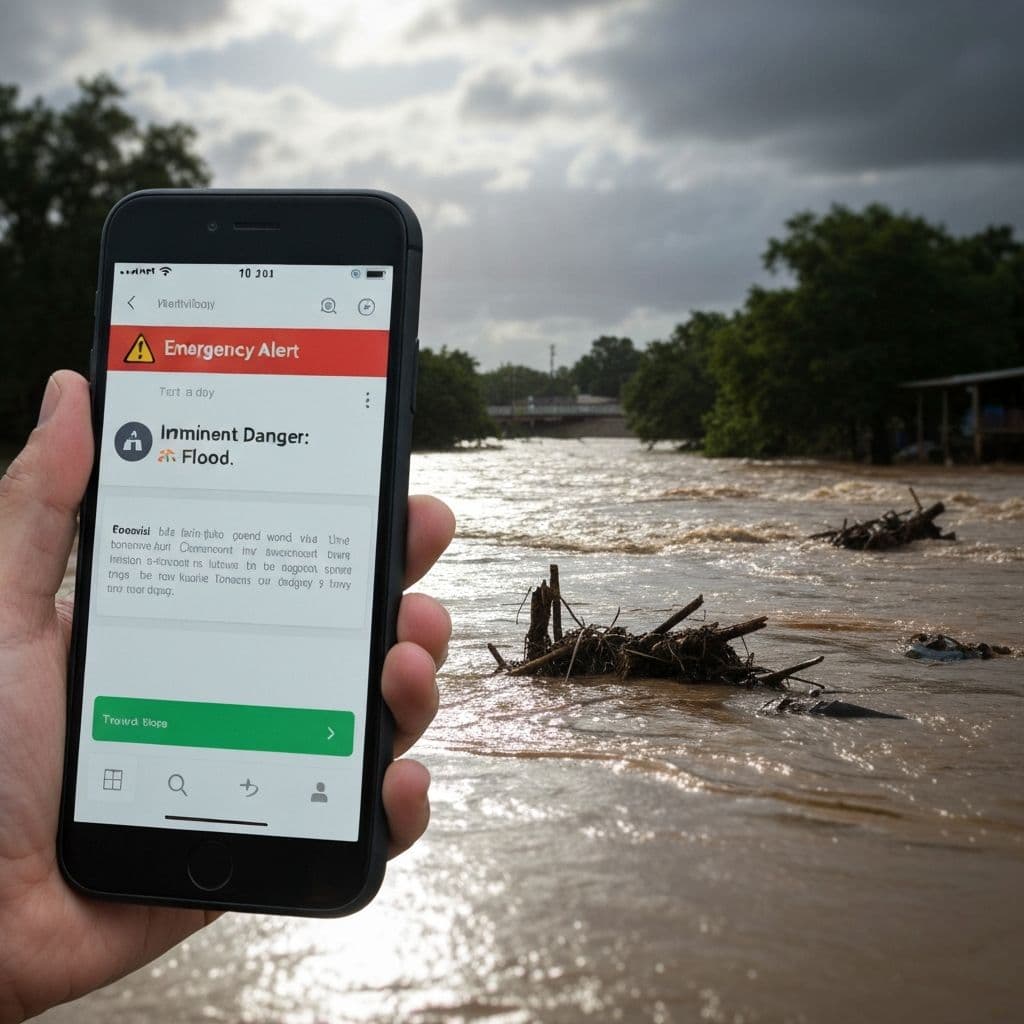
The Critical Window
In flash flood situations, every minute counts. The National Weather Service emphasizes that the time between when water levels reach dangerous thresholds and when flooding impacts residents can be measured in minutes, not hours. Traditional monitoring systems that require staff to watch dashboards and manually initiate alerts simply cannot respond fast enough.
The Problem with Manual Alert Systems
Many flood monitoring systems provide data but leave alerting as a manual process. This creates several dangerous gaps:
- 24/7 Coverage - Staff cannot monitor dashboards around the clock, yet floods often occur overnight or on weekends
- Response Delay - Even with dedicated staff, manual processes add 5-15 minutes to alert delivery
- Human Error - Under stress, steps can be missed or alerts sent to wrong recipients
- Single Point of Failure - If the responsible person is unavailable, alerts may not go out
How Automated Alerts Work
Automated flood alert systems eliminate human delay from the alerting process. When water levels reach predetermined thresholds, the system immediately triggers notifications through multiple channels:
Automated Phone Calls
Voice calls are highly effective because they demand attention. Unlike texts or emails that might be missed, a ringing phone gets answered. Automated calls can reach hundreds or thousands of residents within minutes, delivering a clear, pre-recorded message about the flood threat and recommended actions.
SMS Text Messages
Text messages provide a quick, direct notification that residents can reference later. They are especially effective for reaching younger demographics who may not answer calls from unknown numbers.
Email Notifications
Emails can contain more detailed information, including maps, specific locations affected, and links to real-time water level data. They create a record that can be referenced during and after the event.
Outdoor Siren Activation
For immediate area notification, automated siren activation ensures that residents near flood-prone areas receive audible warnings. This is especially important for reaching people who may be outdoors or asleep.
The Impact of Speed
Consider the difference in outcomes:
Manual Process (Traditional)
Water reaches threshold + Staff notices reading + Staff verifies data + Staff initiates alert + Alert system sends notifications = 10-20 minutes
Automated Process (Levelynx)
Water reaches threshold + System immediately triggers alerts = Under 60 seconds
Those extra 10-20 minutes can mean the difference between residents safely evacuating and being caught in rising water. For first responders, earlier notification means more time to close roads and position resources.
Escalation and Redundancy
Effective automated systems include escalation logic that increases urgency as conditions worsen:
- Watch Level - Email notifications to emergency management staff
- Advisory Level - Text messages to staff and potentially affected residents
- Warning Level - Phone calls to all registered residents in affected areas
- Emergency Level - All channels activated including outdoor sirens
Conclusion
Automated flood alerts transform flood monitoring from passive observation into active protection. By removing human delay from the alert process, cities can ensure their residents receive warnings when they matter most - immediately. When combined with accurate 60GHz radar sensing, automated alerts provide the fastest possible warning for flash flood events.
Ready to improve your flood preparedness?
Learn how Levelynx can help protect your community with automated flood monitoring.