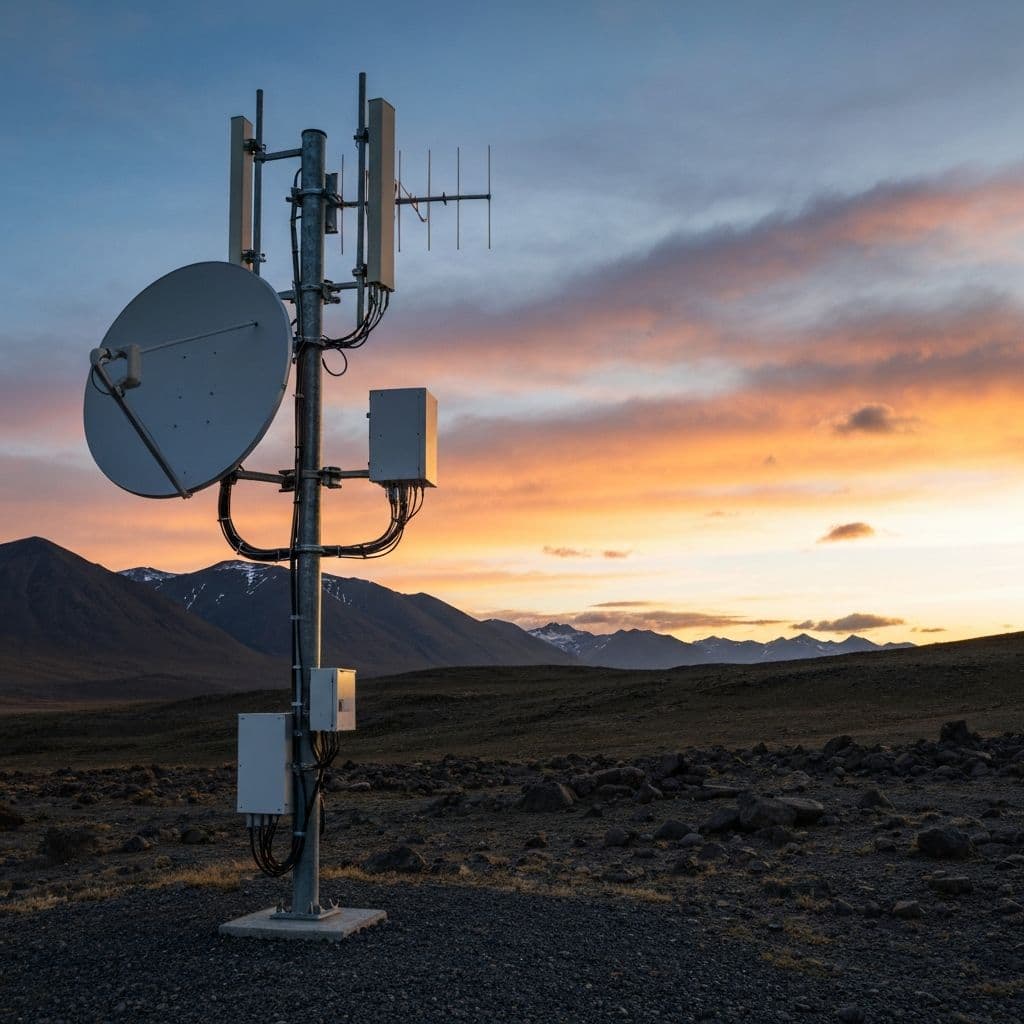
Always Connected. Automatically.
Most flood sensors are locked to a single carrier — and charge extra for satellite. The Levelynx Sensor Node connects to any available cell carrier, switches automatically if a tower fails, and falls back to satellite connectivity included at no additional cost. No single point of failure.
Any Carrier. Plus Satellite. Included.
The Levelynx Sensor Node isn't tied to one cell carrier or one SIM. It automatically connects to whatever cellular network is strongest at your site, and if that tower or carrier goes down, it switches to the next available one — with no manual setup. And when every cellular option is unavailable, the node falls back to satellite automatically.
Most importantly: satellite connectivity is included at no additional cost.
There's no separate satellite plan to buy, no add-on fee, and no decision to make at order time. Every Sensor Node ships ready to use cellular and satellite out of the box.
All Carriers
Connects to any available cellular network — never locked to one provider.
Automatic Switching
Drops to the next carrier the moment one fails — no manual intervention.
Satellite Included
Automatic satellite fallback at no extra cost on every node.
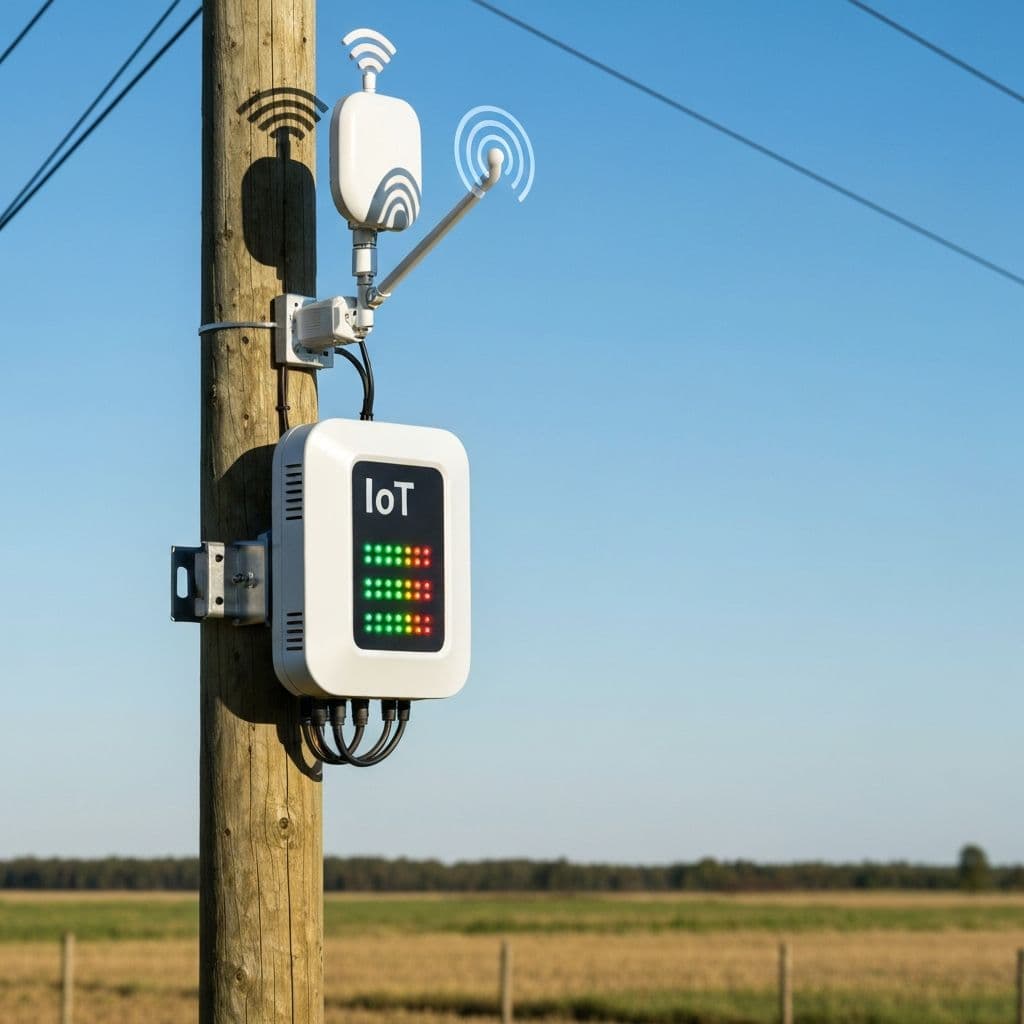
Multi-Network Intelligence Built In
Our hardware continuously evaluates multiple cellular networks and satellite carriers in real time. If performance degrades or a network goes offline, the system automatically switches to the next best option—without interruption and without user input.
No manual configuration. No guesswork. No downtime.
Automatic Carrier Selection
Your device doesn't rely on a single SIM or provider. It dynamically connects to the strongest available cellular network at any moment.
Multi-Satellite Resilience
If satellite is required, Levelynx can utilize multiple satellite pathways—ensuring connectivity even if one provider experiences issues.
Real-Time Network Testing
Connectivity isn't static. The system continuously tests signal strength and reliability across carriers, automatically switching to a stronger network when performance degrades.
Zero Customer Intervention
Everything happens automatically. Customers never need to choose carriers, configure failover rules, or manage connectivity.
Smarter Than Traditional Failover
Traditional systems are locked to one carrier and only react after that single connection fails.
Levelynx continuously monitors signal across multiple carriers and switches automatically to the best available path.
So a single tower, carrier, or network outage doesn't interrupt your data — the system keeps the best possible connection without waiting for something to break.

Typical Systems
- Single carrier dependency
- Basic failover (after failure)
- Manual configuration
Levelynx
- Multiple carriers (cellular + satellite)
- Continuous, automatic switching
- Fully autonomous operation
Built for When Networks Don't Behave
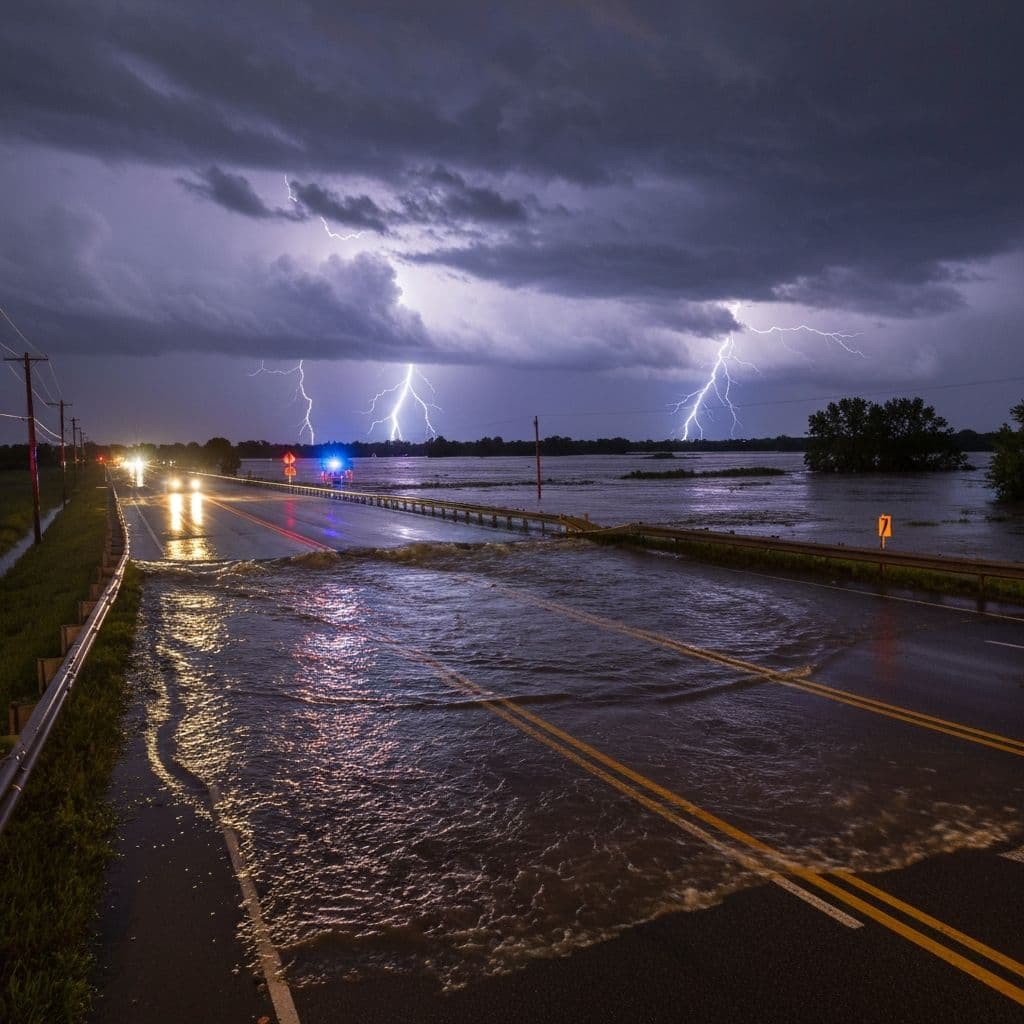
When floods hit, local infrastructure often fails. Levelynx keeps your data flowing.
During Flood Events
Network outages are unpredictable. One cellular carrier may fail while another remains operational. Satellite providers can also experience regional disruptions.
The Levelynx Advantage
Levelynx eliminates this uncertainty by automatically shifting between all available options—keeping your monitoring system connected when others go dark.
"Always connected. Automatically."
"The best network—chosen in real time."
"Connectivity that adapts before failure."
"No single point of failure."
Why Localized Networks Fail During Emergencies
Many flood monitoring systems rely on local gateways, LoRaWAN mesh networks, or single-path cellular connections. These approaches have a critical flaw: they often fail precisely when floods occur.
Power Outages
Local gateways and repeaters require power. When floods knock out electricity, LoRaWAN networks go dark exactly when you need them most.
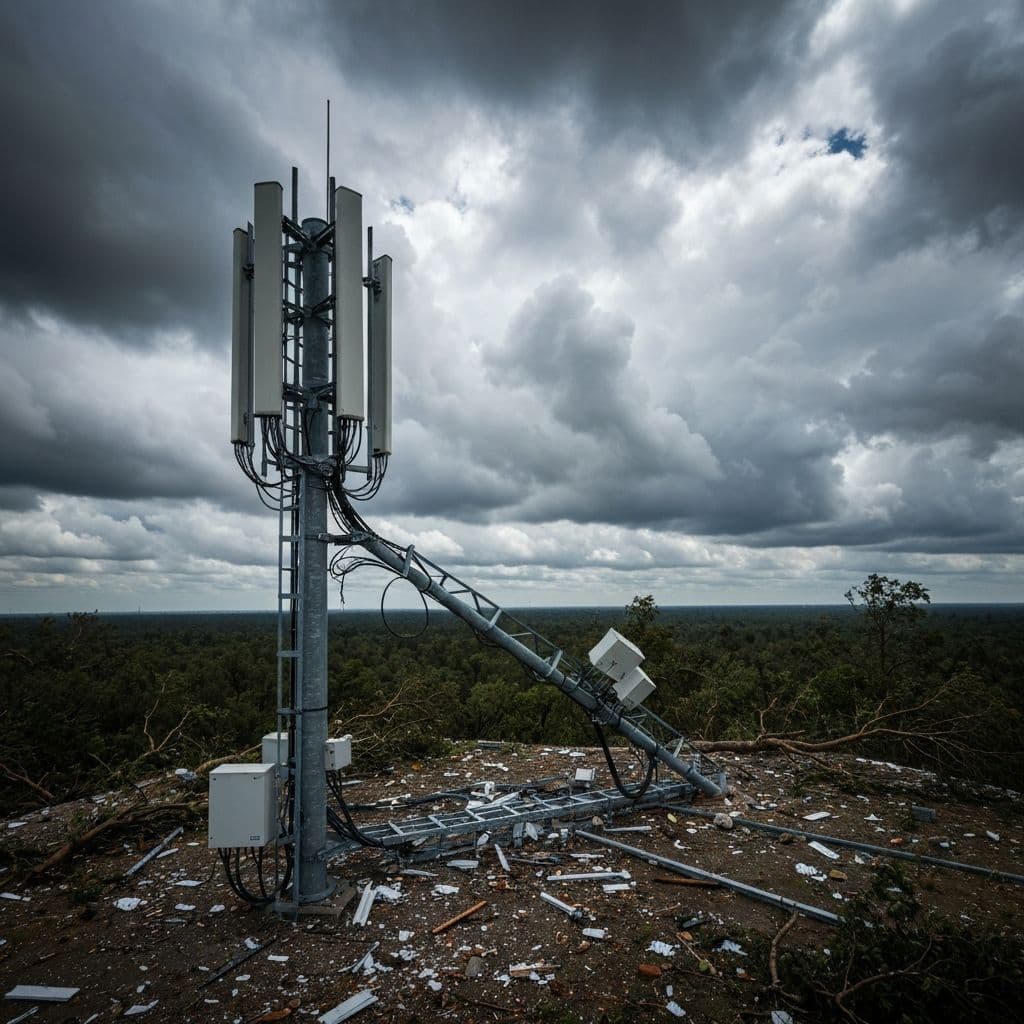
Tower Damage
Severe weather can damage local communication towers and antennas, leaving entire areas without connectivity during critical flood events.
Network Congestion
During emergencies, local cellular networks become overloaded with calls and data, preventing critical flood alerts from getting through.
Limited Range
LoRaWAN and other local mesh networks have limited range. Remote sensors outside coverage areas simply cannot communicate.
The bottom line: If your flood warning system depends on local infrastructure, it may fail during the exact conditions it was designed to monitor. Levelynx eliminates this single point of failure with global, infrastructure-independent connectivity.
Redundant Paths for Mission-Critical Alerts
Flood warnings are too important to rely on a single communication path. Levelynx provides multiple redundant connectivity options that automatically failover when primary paths are unavailable.
| Capability | Levelynx (Multi-Network Intelligence) | LoRaWAN (Local Gateway) | Single Cellular (No Backup) |
|---|---|---|---|
| Works without local gateways | |||
| Operates during power outages | Partial | ||
| Remote/no-coverage locations | |||
| Survives infrastructure damage | |||
| Global deployment capability | Limited | ||
| Automatic failover | |||
| No network congestion issues | |||
| Satellite backup included at no extra cost |
Not Dependent on LoRaWAN
While LoRaWAN can be cost-effective for some IoT applications, it requires local gateways that become single points of failure during emergencies. Levelynx communicates directly to global networks without intermediate infrastructure.
Designed for Infrastructure Disruption
Major floods often damage the very infrastructure that traditional systems depend on. Our dual-path approach ensures alerts get through even when local power, cell towers, and networks are compromised.
Connectivity FAQs
- Is the Levelynx Sensor Node locked to one cell carrier?
- No. The node connects to any available cellular carrier and automatically switches to another if a tower or carrier fails. It is never tied to a single SIM or provider.
- Is satellite connectivity included or extra?
- Satellite is included at no additional cost on every Sensor Node. There is no separate satellite plan or add-on fee; cellular and satellite both work out of the box.
- What happens if all the cell towers in my area go down?
- If no cellular network is available, the node automatically falls back to satellite connectivity, so data and alerts continue to transmit during widespread outages.
- Do I need to configure or manage the connectivity?
- No. Carrier selection, switching, and satellite fallback are fully automatic. There is no manual configuration or failover setup required.
- Does Levelynx depend on local gateways or LoRaWAN?
- No. Unlike systems that rely on local gateways or LoRaWAN mesh networks, which need local power and can fail during floods, the Levelynx node connects directly to cellular and satellite networks with no local infrastructure.
Reliable Connectivity, Anywhere in the World
Whether you are monitoring urban drainage systems, remote river crossings, or campground creeks, Levelynx provides the connectivity you need to keep your community safe.
Cities & Towns
Reliable alerts even when local infrastructure is overwhelmed during major flood events.
Remote Locations
Satellite connectivity enables monitoring anywhere in the world.
Campgrounds & Parks
Protect visitors at recreational areas near creeks and rivers with reliable flood warnings.