Real-World Flood Monitoring for Every Environment
From low-water crossings to critical infrastructure, Levelynx provides accurate, automated flood monitoring wherever your community needs protection.
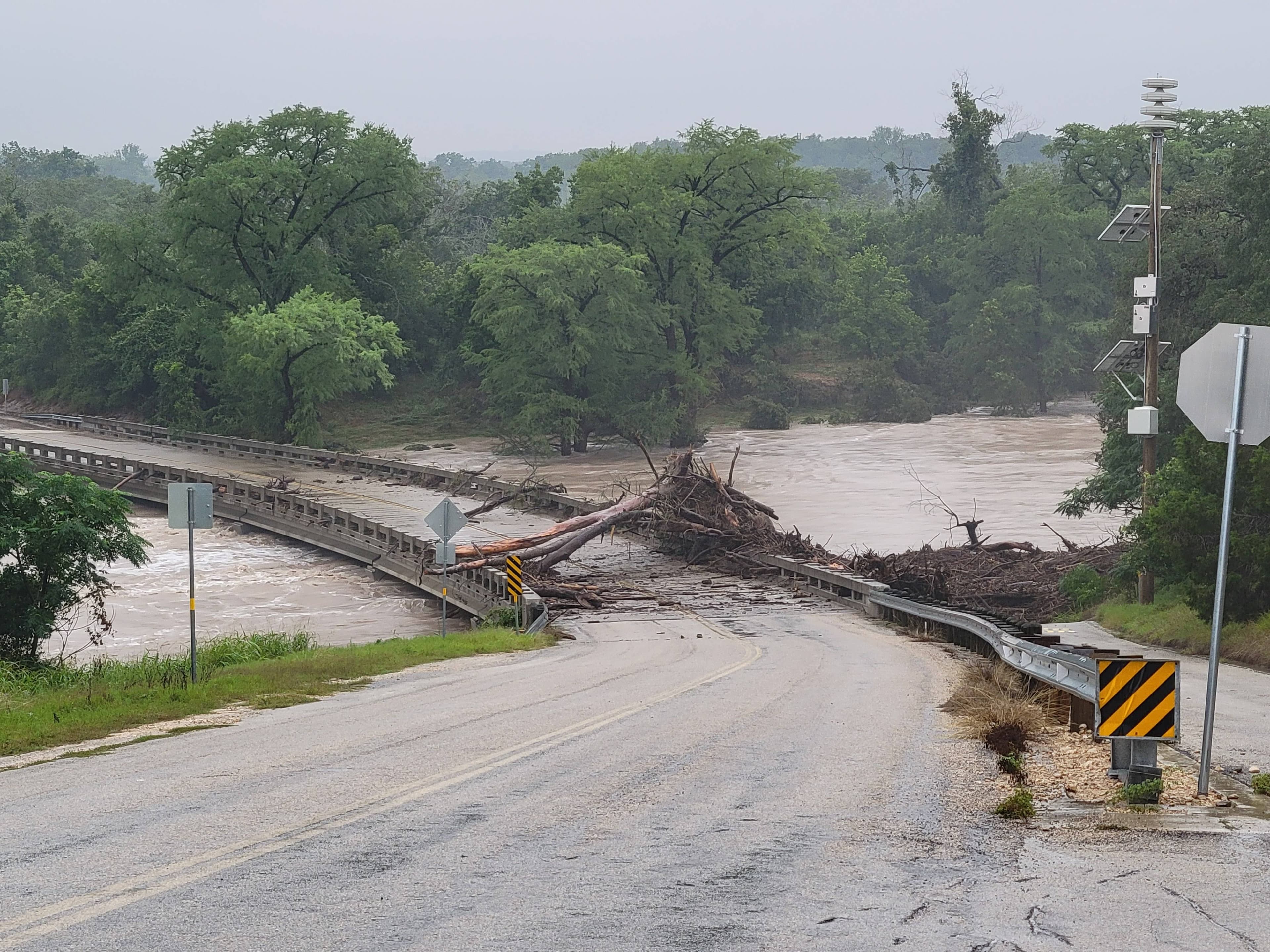
Low-Water Crossings
Low-water crossings are among the most dangerous locations during Texas flash floods. According to the National Weather Service Turn Around Don't Drown campaign, water can rise from safe to deadly in minutes, trapping motorists and claiming lives every year.
The Problem
Traditional signage and manual monitoring fail during rapid flash floods. By the time road crews can respond, vehicles may already be trapped. Remote crossings often have no warning system at all.
How Levelynx Solves It
60GHz radar sensors mounted above crossings continuously measure water depth. When levels exceed safe thresholds, automated alerts notify residents, trigger road closure notifications, and can activate warning lights or barriers.
Who Benefits
- • Cities and counties managing rural road networks
- • Residents living beyond low-water crossings
- • First responders needing route awareness
- • School districts with bus routes crossing waterways
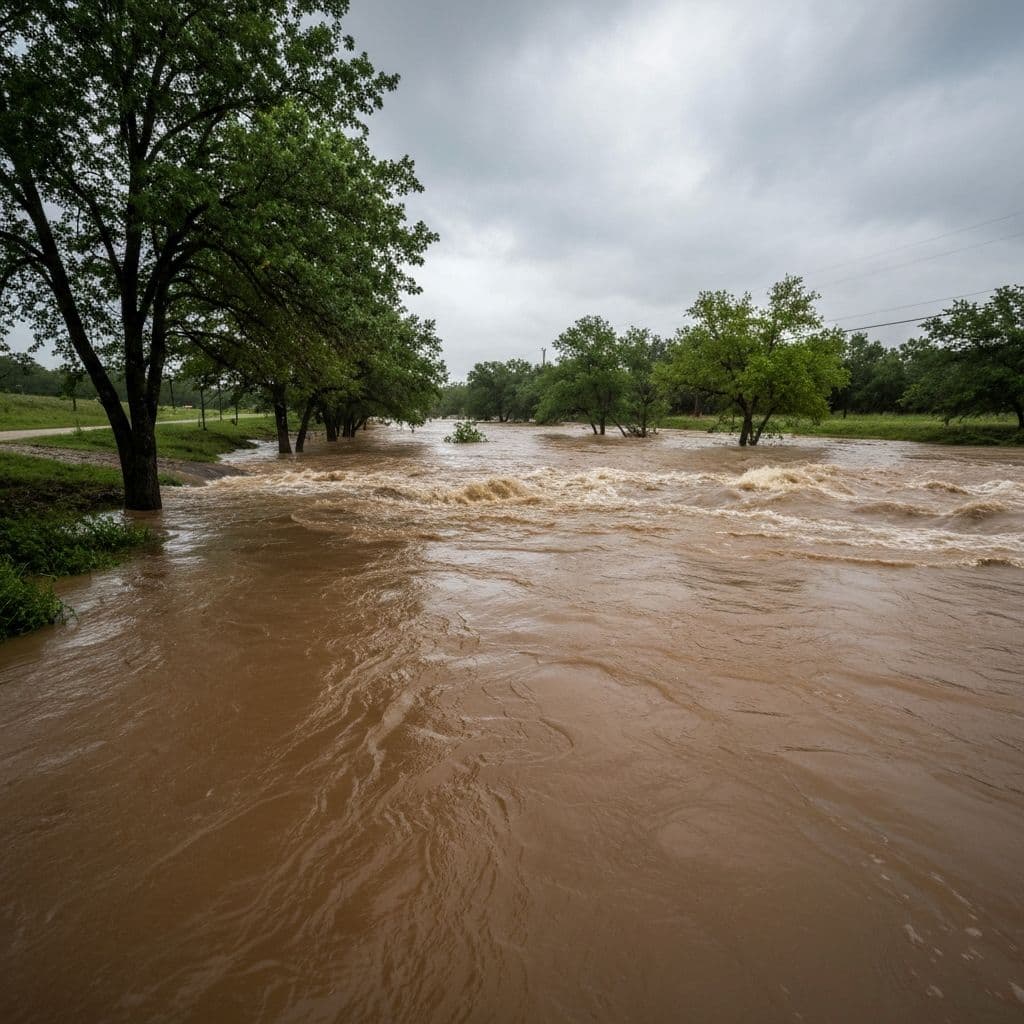
Creeks and Rivers
Urban and suburban creeks can transform from peaceful waterways to raging flood channels in minutes during Texas storms. Homes, parks, and neighborhoods built near these waterways face significant flood risk.
The Problem
Regional flood warnings cover broad areas but miss localized creek behavior. Residents near creeks often receive warnings too late or not at all. Manual gauge readings are infrequent and unreliable during storms.
How Levelynx Solves It
Hyper-local monitoring at specific creek locations provides real-time water levels. Multiple threshold alerts give residents and officials progressive warnings as conditions worsen, enabling evacuation before flooding occurs.
Who Benefits
- • Neighborhoods in creek floodplains
- • Parks and recreation departments
- • Emergency management coordinators
- • Floodplain managers tracking conditions
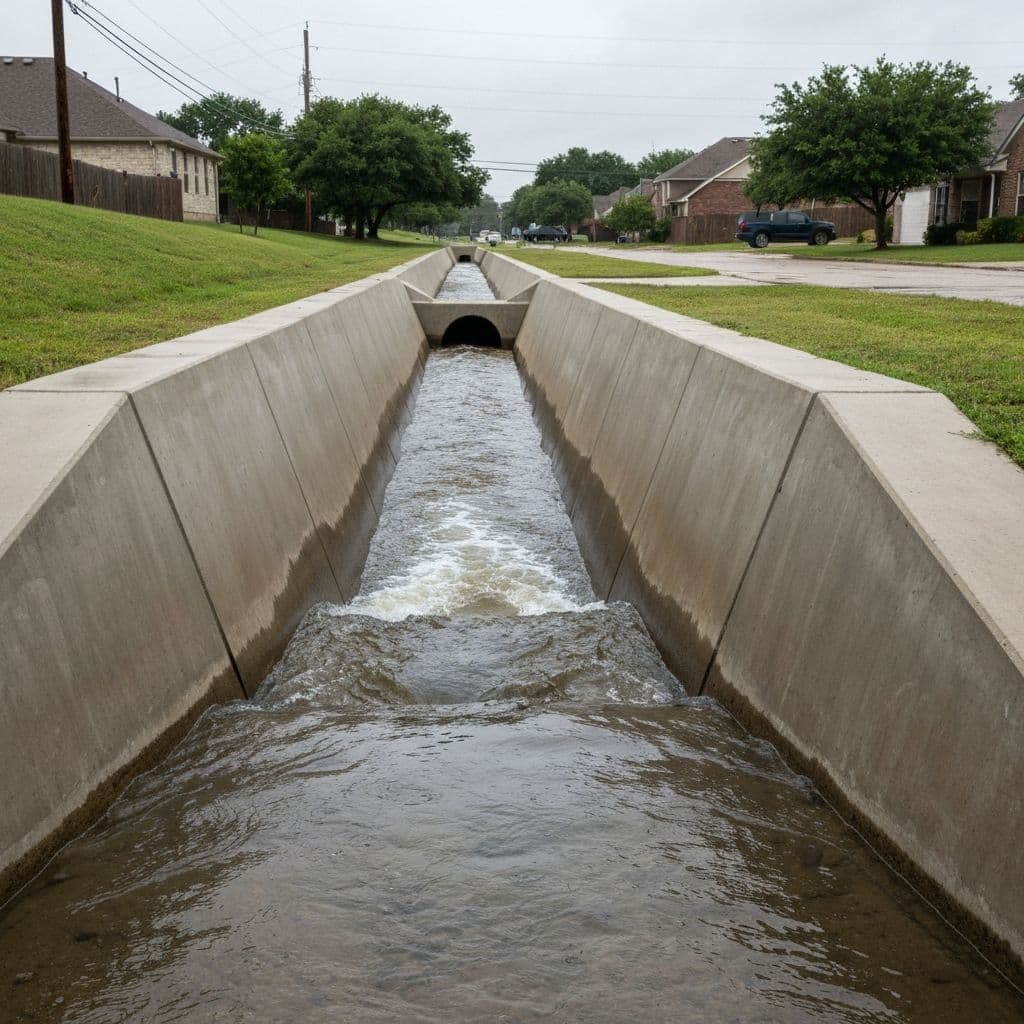
Stormwater and Drainage Systems
Municipal drainage infrastructure is designed for specific capacity. When storms exceed design limits or blockages occur, urban flooding can damage property and endanger residents within minutes.
The Problem
Culverts, detention ponds, and drainage channels often go unmonitored until problems occur. Blockages from debris can cause sudden backups. Public works teams discover issues only after flooding has already begun.
How Levelynx Solves It
Non-contact radar monitors drainage infrastructure without sensors in the water that can clog or fail. Real-time data helps public works identify capacity issues and blockages before flooding occurs, enabling proactive response.
Who Benefits
- • Public works and stormwater departments
- • Residents in flood-prone areas
- • Commercial property owners
- • City engineers monitoring infrastructure
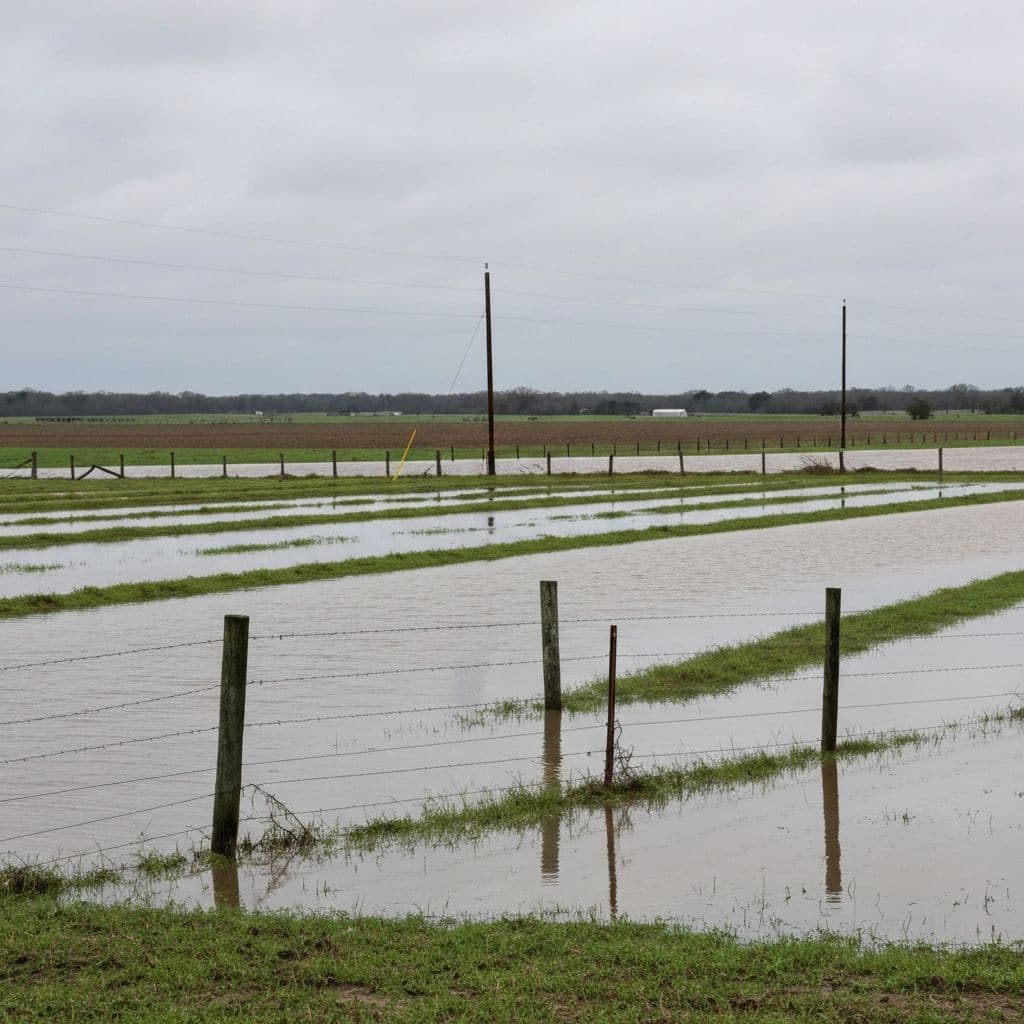
Rural and Agricultural Areas
Rural Texas communities face unique flood challenges. Sparse population density makes traditional monitoring systems cost-prohibitive, yet residents face significant flood risks with limited warning.
The Problem
Rural areas often have no flood monitoring at all. Ranchers and farmers may be cut off from emergency services when roads flood. Livestock and equipment worth millions can be lost without warning.
How Levelynx Solves It
Solar-powered sensors with satellite connectivity work anywhere, regardless of power grid or cellular coverage. Affordable, all-inclusive pricing makes rural monitoring economically viable for the first time.
Who Benefits
- • Counties with large rural areas
- • Ranchers and agricultural operations
- • Rural residents and communities
- • Volunteer fire departments and EMS
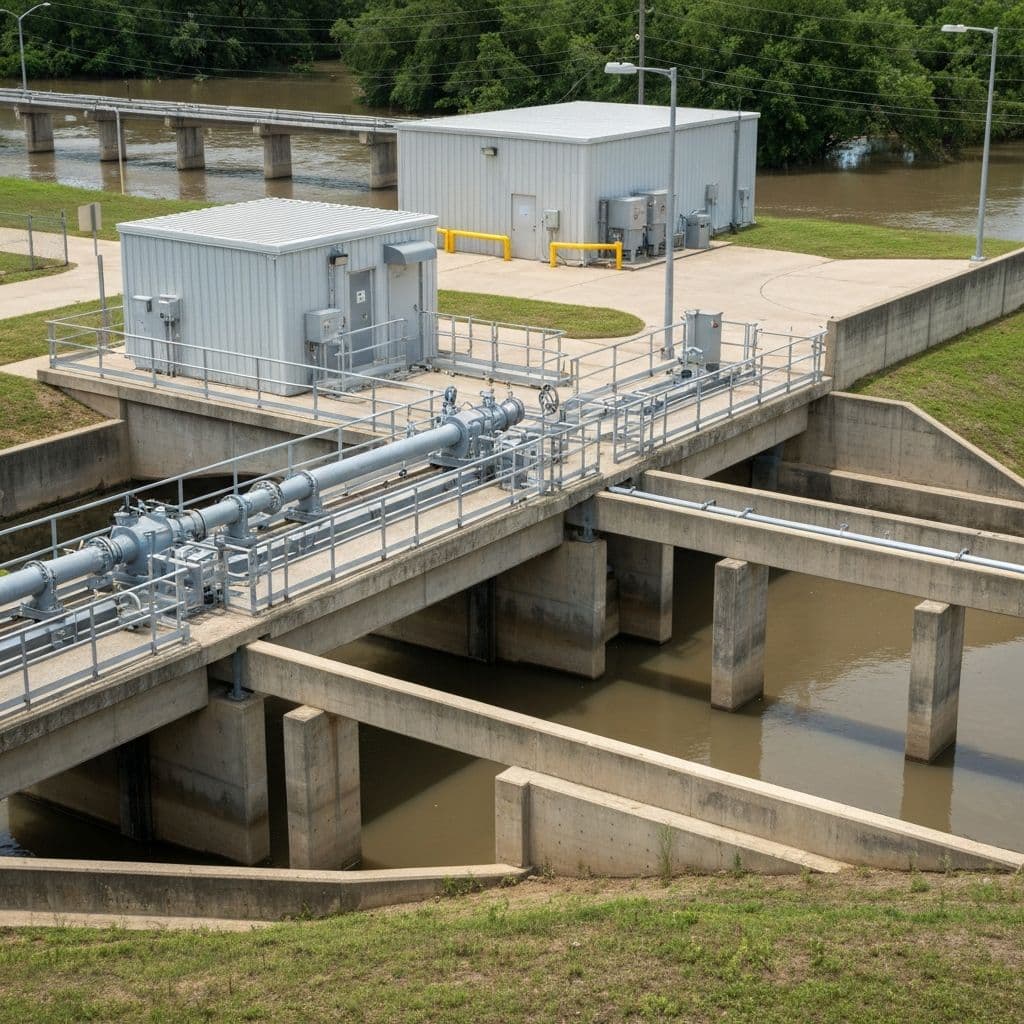
Critical Infrastructure
Water treatment plants, electrical substations, pumping stations, and other critical facilities are often located near waterways. Flood damage to these facilities can impact entire communities for weeks.
The Problem
Critical facilities require advance warning to implement protective measures. Manual monitoring during storms is dangerous and unreliable. Damage to infrastructure creates cascading impacts across the community.
How Levelynx Solves It
Continuous automated monitoring provides early warning for facility managers to implement protective measures. Integration with SCADA and facility management systems enables automated protective responses.
Who Benefits
- • Water and wastewater utilities
- • Electric utilities and substations
- • Transportation departments (bridges, tunnels)
- • Industrial facilities near waterways
Every Community Has Unique Flood Risks
Let's discuss your specific monitoring needs and design a solution that protects what matters most to your community.