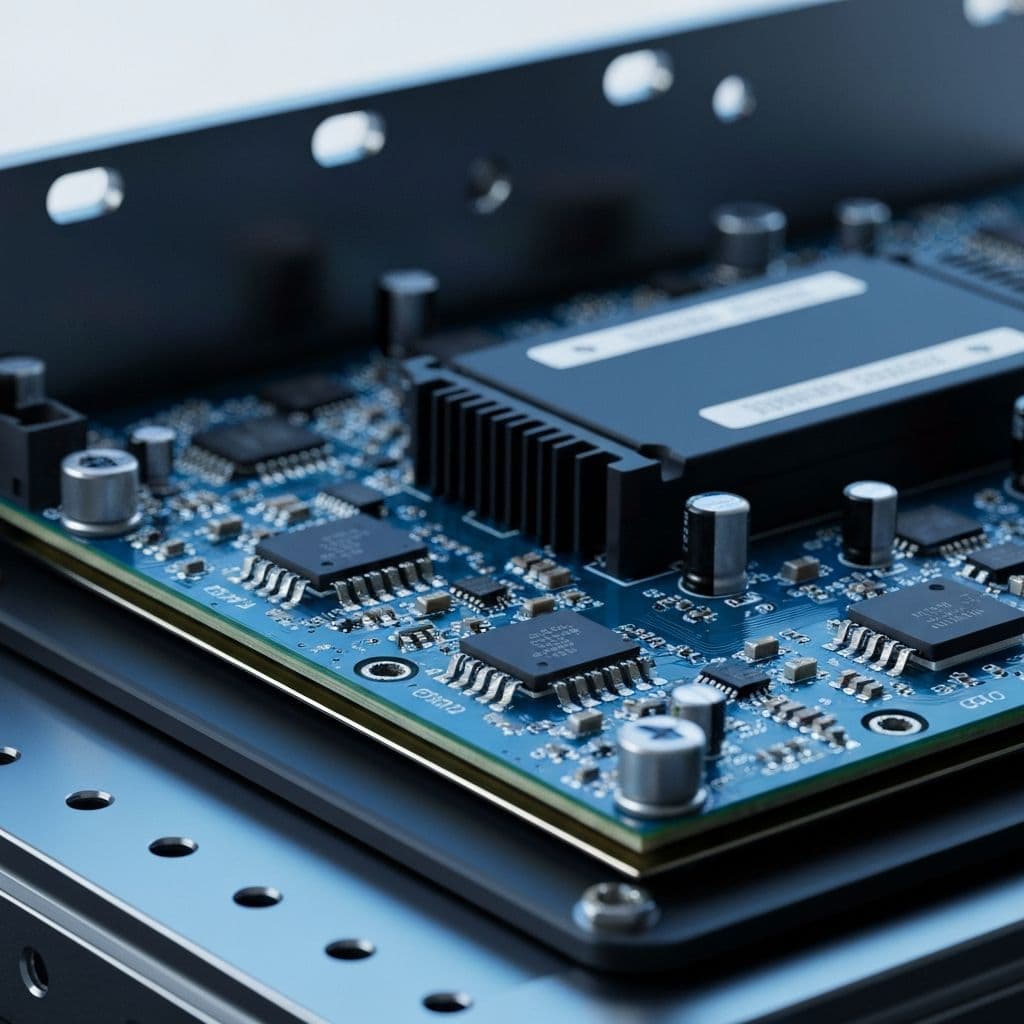
Flood Monitoring Technology Built for Reliability
60GHz radar accuracy, multi-year battery life, and connectivity that never quits — engineered to keep reporting through the storm, when power and cell towers fail.
Years of Operation, Solar Optional
Most flood sensors live or die by their power supply — and many depend on solar panels that underperform during the exact overcast, stormy conditions when flooding happens. Levelynx is engineered differently.
A Levelynx node runs for 5+ years on a single set of batteries in normal operation. Solar is fully supported but completely optional — you add it only if you want to, not because the system needs it to survive. That means no dependence on sunlight during multi-day storm systems, fewer site visits, and reliable operation at shaded, north-facing, culvert, and under-bridge locations where solar-dependent sensors struggle.
5+ Years
Battery Life
Optional
Solar Panels
- Multi-year battery life with no solar required
- Solar available as an option to extend deployments indefinitely
- Reliable in shaded, covered, and low-sunlight installation sites
- Fewer maintenance visits and lower lifetime cost
- Keeps reporting through extended overcast storm conditions
Connectivity That Never Quits
During a flood, the network is exactly what you can't afford to lose — and it's often the first thing that fails. A single cell tower goes down, or a sensor is locked to one carrier that happens to have a coverage gap, and the data stops right when lives depend on it. Levelynx is built to keep transmitting through all of it.
All Carriers
Connects to whatever cellular network is available at the site.
Auto-Switch
If a tower fails, it switches to the next available carrier automatically.
Satellite Failover
If all cellular is down, the node falls back to satellite connectivity.
Works with every carrier
Levelynx nodes aren't locked to a single carrier. The device automatically connects to whatever cellular network is available at the site — and if a local tower goes down, it switches to the next available carrier without any manual intervention.
Automatic satellite failover
If every cell tower in the area is down — as happens in major storms and widespread outages — the node automatically falls back to satellite connectivity, so your data keeps flowing when terrestrial networks have failed completely.
No infrastructure dependency
Because the node carries its own connectivity and doesn't rely on local network infrastructure, it can be deployed anywhere — from a downtown culvert to a remote rural crossing with no nearby coverage at all.
- All-carrier cellular — not locked to one network
- Automatic switching when a tower fails
- Satellite failover when all cellular is down
- No dependence on local infrastructure
- Designed for the network conditions floods actually create
60GHz Radar, When the Site Calls for It
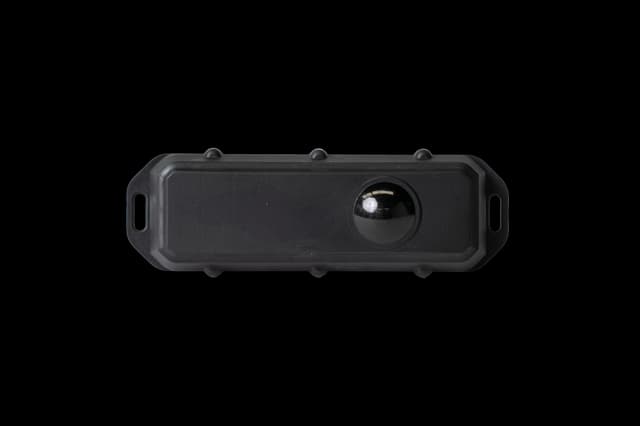
Every Levelynx system ships with a hydrostatic pressure sensor by default. For sites that need non-contact measurement — bridges, debris-prone channels, or hard-to-reach locations — 60GHz radar is available as an option on the same platform.
When used, 60GHz radar measures distance to the water surface with millimeter precision using a narrow, focused millimeter-wave beam, accurate even in confined spaces like culverts and channels.
60 GHz
Operating Frequency
±1mm
Measurement Precision
Choosing the Right Sensor for Each Site
Levelynx is sensor-agnostic. Every system includes a hydrostatic pressure sensor by default, and you can add or swap sensor types to match the conditions at each location — all on the same platform.
Strengths
- Proven, cost-effective measurement
- Reliable in stilling wells and channels
- Ships with every Levelynx system
Best for: The standard choice for most installations.
Strengths
- Non-contact — never touches the water
- Unaffected by debris, foam, or sediment
- Millimeter precision, maintenance-free
Best for: Bridges, debris-prone channels, and hard-to-access sites.
Strengths
- Non-contact operation
- Integrates rain gauges and 3rd-party sensors
- Standardize many sites on one platform
Best for: Sites with specialized or existing sensor requirements.
Accurate During Debris, Fog, Rain, and Floods
Flood conditions are when accurate data matters most — and when many sensors fail. 60GHz radar is designed to perform reliably in exactly these conditions.
Heavy Rain
60GHz radar operates reliably during intense rainfall when you need accurate data most.
Fog & Mist
Unlike optical sensors, radar penetrates fog and mist without degraded performance.
Extreme Temperatures
Operates from -40°F to +185°F, covering Texas temperature extremes.
Debris & Sediment
Non-contact measurement means debris in water doesn't affect sensor accuracy.
Turbulent Water
Advanced signal processing provides stable readings even with choppy, turbulent water.
Direct Sunlight
No interference from sunlight or reflections unlike some optical sensors.
Maintenance Advantages
Traditional water level sensors require regular maintenance: cleaning debris, recalibrating drift, and replacing corroded components. 60GHz radar eliminates these maintenance burdens.
Because the sensor never contacts water, there is no fouling, corrosion, or debris accumulation. The solid-state design has no moving parts to wear out or fail.
Why Maintenance is Minimal
- No sensors in water to clean or replace
- No moving parts to wear out
- No calibration adjustments needed
- Self-cleaning smooth sensor face
- Sealed weatherproof enclosure
- 10+ year expected sensor lifespan
Designed for Harsh Outdoor Environments
Levelynx sensors are built for the real-world conditions found at Texas flood monitoring sites.
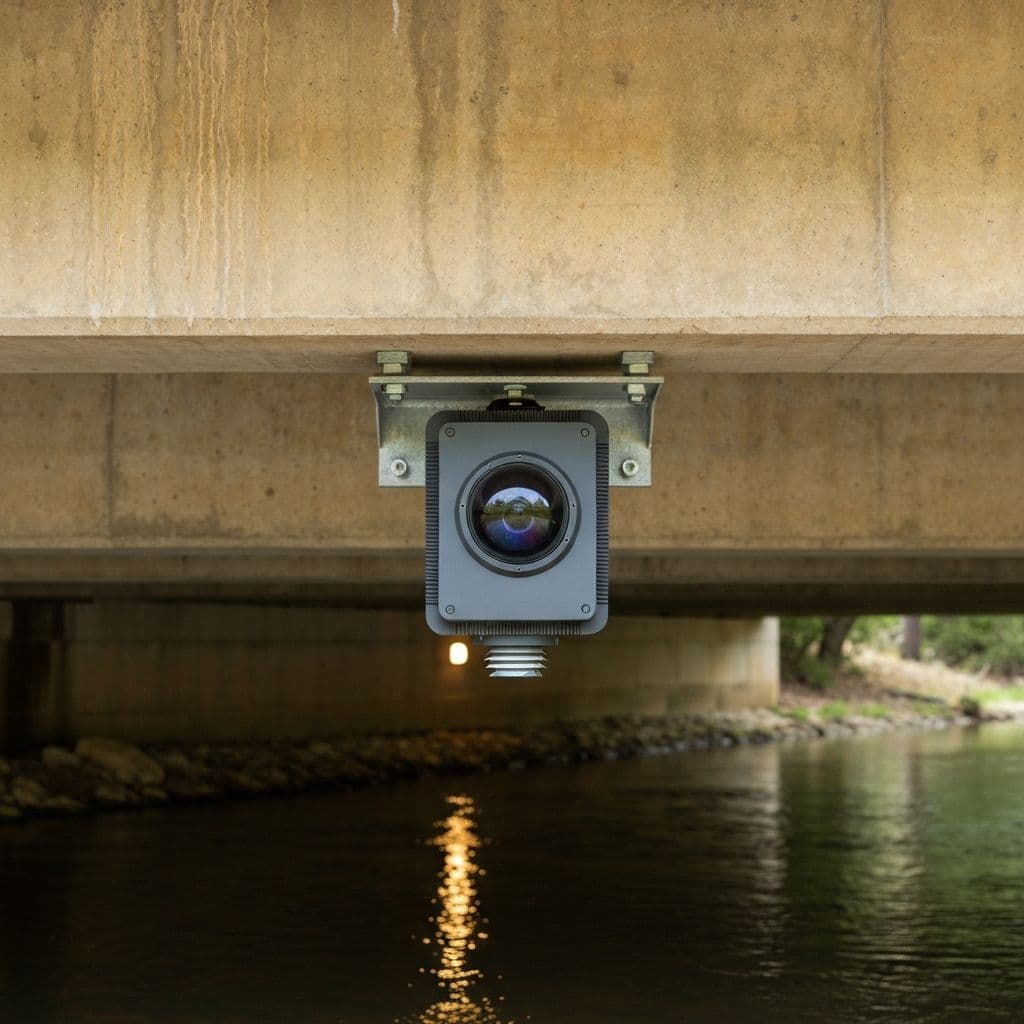
Bridges & Overpasses
Mount under bridge decks to monitor water levels in creeks and rivers below.
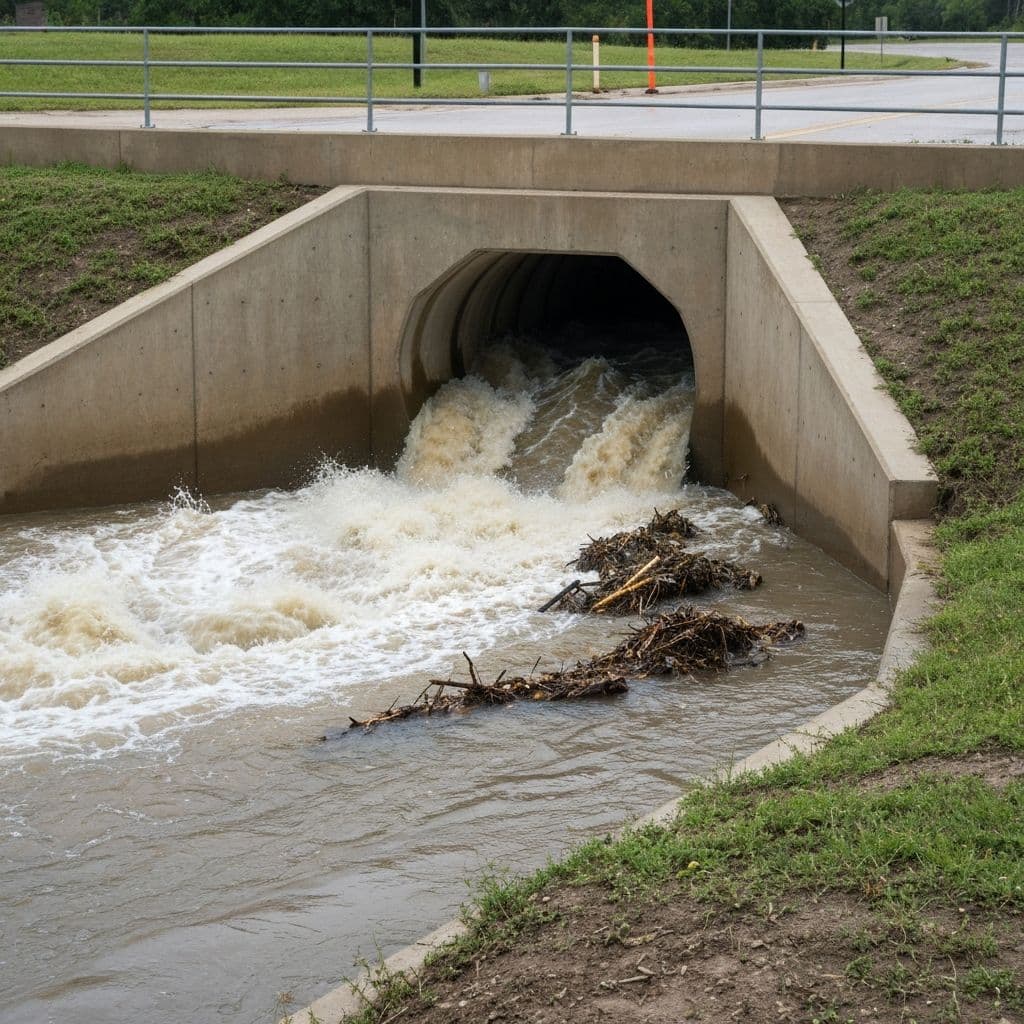
Culverts & Drainage
Monitor water flow through culverts and drainage infrastructure.
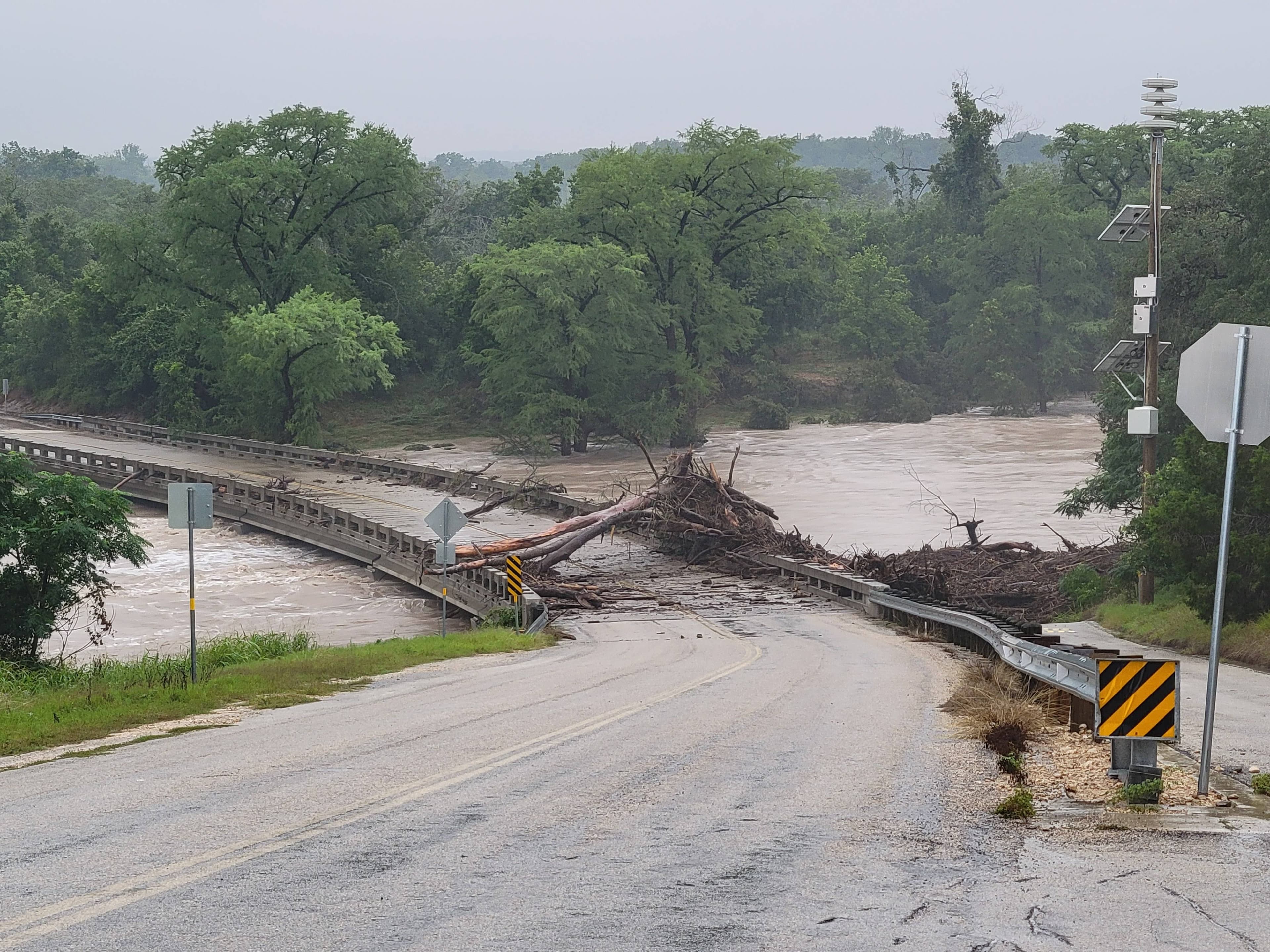
Low-Water Crossings
Track water depth at road crossings to trigger closure alerts.
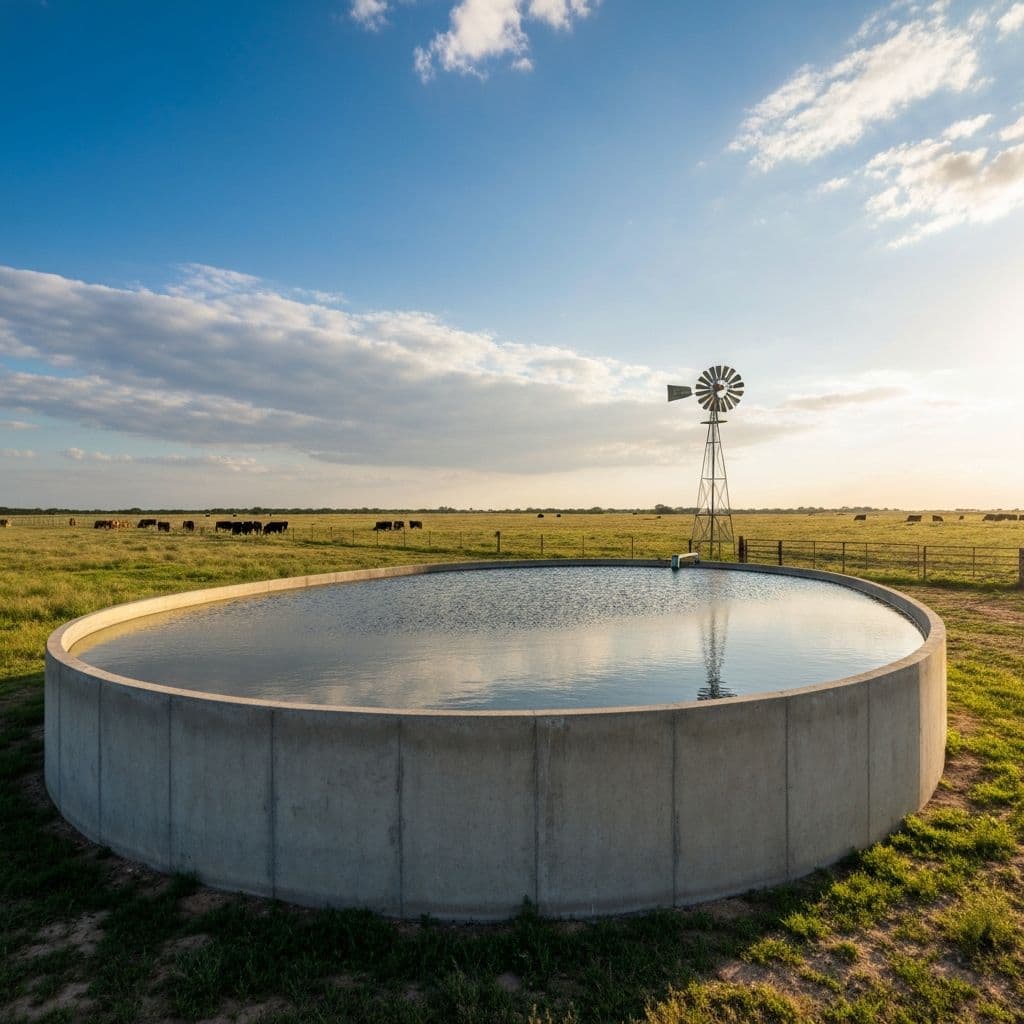
Detention Ponds
Monitor stormwater detention facilities and overflow conditions.
Open Integration Architecture
Your community shouldn't be locked into a single vendor. Levelynx is designed to work alongside your existing systems — sending data out, receiving data in, and playing well with equipment from other manufacturers.
Bi-Directional Data Flow
Send Levelynx data to your existing systems or pull data from other sensors into our platform. True two-way integration.
Open API Access
RESTful APIs let your IT team connect Levelynx to SCADA systems, GIS platforms, EOC dashboards, or custom applications.
Alert Routing
Route threshold alerts to any notification system — your existing mass notification platform, CAD dispatch, or third-party services.
Multi-Vendor Ecosystems
Combine Levelynx sensors with equipment from other manufacturers. One platform doesn't have to do everything.
Data Aggregation
Bring data from USGS gauges, National Weather Service feeds, or neighboring jurisdictions into a unified view alongside your Levelynx sensors.
Redundancy & Resilience
Using multiple vendors creates resilience. If one system has issues, others continue operating. No single point of failure.
Works With the Sensors You Choose
Every Levelynx system includes a hydrostatic pressure sensor by default, and the platform is sensor-agnostic. It supports a wide range of additional sensors — 60GHz radar, ultrasonic, rain gauges, and other environmental inputs — so you can standardize on one platform even where a different sensor type fits the site best.
Why Multi-Vendor Strategies Work
Many communities have learned that relying on a single manufacturer for all flood monitoring creates risk. Equipment fails, companies change priorities, and technology evolves at different rates.
A multi-vendor approach — with systems that can share data — provides redundancy, lets you choose best-in-class solutions for each use case, and protects your investment if any single vendor relationship changes.
Integration Examples
- Route Levelynx alerts to your existing Everbridge or CodeRED mass notification system
- Display Levelynx sensor data alongside USGS stream gauges in your EOC dashboard
- Import weather radar data from NWS to correlate with water level trends
- Share data with neighboring jurisdictions using different flood monitoring equipment
- Push water level data to your SCADA system for automated gate or pump control
No vendor lock-in. Your data is your data. Export it, share it, or integrate it however your community needs.
Technology FAQs
How long does the battery last?
A Levelynx node operates for 5+ years on a single set of batteries in normal use. Solar power is supported but optional, so the system does not depend on sunlight to keep running.
Do I need solar panels?
No. Levelynx is designed to run for years on battery alone. Solar is available as an option to extend deployments indefinitely, but it is never required — which makes the system reliable even at shaded or covered sites.
What happens to connectivity if a cell tower goes down?
The node automatically switches to the next available cellular carrier. Because it is not locked to a single network, a single tower or carrier outage does not interrupt reporting.
What if all the cell towers are down?
If no cellular network is available, the node automatically fails over to satellite connectivity, so data continues to transmit even during widespread outages.
Can I use sensors other than your radar?
Yes. The Levelynx platform is sensor-agnostic and supports many third-party sensors, including pressure, ultrasonic, and rain gauges. Every system includes a hydrostatic pressure sensor by default, with 60GHz radar available as an option — so you're never locked into one sensor type.
Questions About the Technology?
Our team can provide detailed technical specifications and answer questions about how our sensors and connectivity perform in your specific environment.