60GHz Radar vs Traditional Sensors: Which Is Right for Your City?
A detailed comparison of flood monitoring technologies to help you make an informed decision for your community.
Introduction
Choosing the right sensor technology is one of the most important decisions when building a flood monitoring network. The technology you select will impact accuracy, reliability, maintenance requirements, and total cost of ownership. This guide compares the three main sensor types to help you make an informed decision.
Technology Overview
Pressure Sensors
Pressure sensors are submerged in water and measure the hydrostatic pressure of the water column above them. This pressure is converted to a water level reading. While this technology has been used for decades, it has significant limitations in real-world flood conditions.
Ultrasonic Sensors
Ultrasonic sensors emit high-frequency sound waves and measure the time it takes for them to bounce back from the water surface. They are non-contact devices mounted above the water, but their performance degrades in adverse weather conditions.
60GHz Radar Sensors
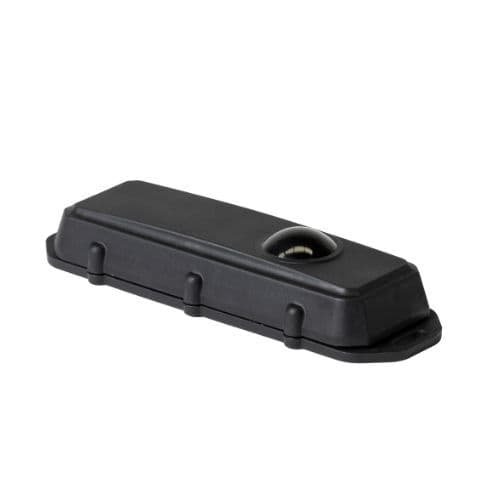
60GHz radar sensors use electromagnetic waves to measure distance to the water surface. Like ultrasonic sensors, they are non-contact devices, but radar waves are unaffected by rain, fog, temperature changes, or turbulent water conditions.
Comparison Table
| Feature | 60GHz Radar | Ultrasonic | Pressure |
|---|---|---|---|
| Accuracy | Millimeter | Centimeter | Centimeter |
| Works in Rain | |||
| Debris Resistant | |||
| Turbulent Water | |||
| Maintenance | Minimal | Moderate | Frequent |
| Sensor Drift |
Why 60GHz Radar Excels in Flood Conditions
Flash floods create some of the most challenging conditions for water level sensors. The very moment when accurate readings matter most - during rapidly rising, turbulent, debris-laden water - is when traditional sensors often fail.
60GHz radar technology was specifically designed for these conditions. The electromagnetic waves penetrate rain, fog, and spray without interference. They reflect accurately off turbulent water surfaces. And because the sensor never contacts the water, there is nothing to clog, corrode, or drift over time.
Total Cost of Ownership
While pressure sensors may have lower upfront costs, the total cost of ownership tells a different story. Consider:
- Pressure sensors require quarterly cleaning and annual recalibration
- Failed sensors during flood events can result in missed alerts
- Staff time for maintenance adds significant ongoing costs
- Sensor replacement cycles are shorter for contact sensors
When you factor in maintenance, reliability, and sensor lifespan, 60GHz radar often provides the lowest total cost of ownership - especially for critical monitoring applications where accuracy matters most.
Conclusion
For cities serious about flood warning, 60GHz radar technology offers the best combination of accuracy, reliability, and low maintenance. While any sensor technology can work in ideal conditions, radar is the only technology that maintains accuracy when conditions deteriorate - exactly when accurate readings matter most.
Ready to improve your flood preparedness?
Learn how Levelynx can help protect your community with automated flood monitoring.