What Is a Flood Monitoring and Warning System? A Complete Guide
Understanding the components, technologies, and best practices for implementing an effective flood monitoring and warning system in your community.
Introduction
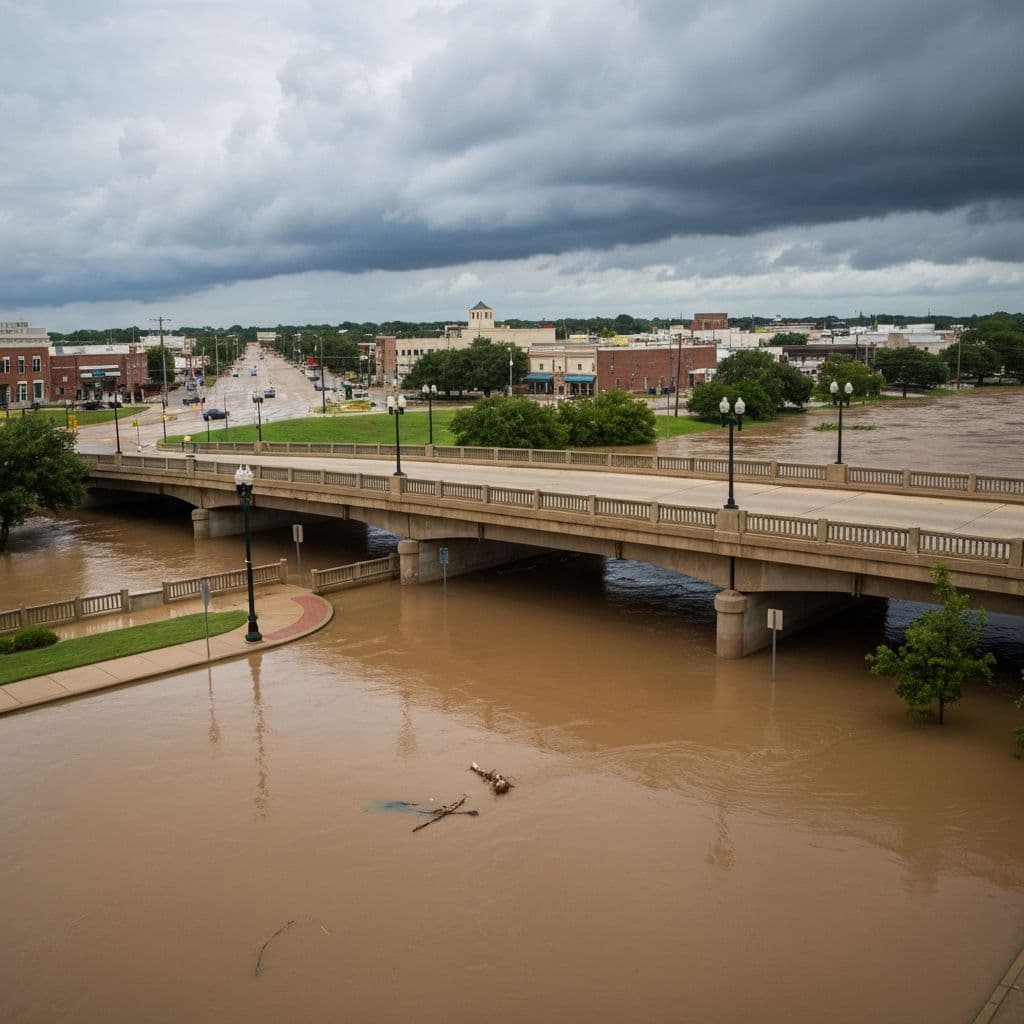
Flood warning systems are critical infrastructure that help communities prepare for and respond to flooding events. According to FEMA, flooding is the most common natural disaster in the United States. For cities and towns in flood-prone areas, having an effective warning system can mean the difference between a managed emergency and a catastrophic disaster.
Components of a Flood Warning System
A comprehensive flood warning system consists of several key components working together:
- Sensors - Devices that measure water levels at strategic locations
- Communication Network - Satellite connectivity to transmit data
- Data Platform - Cloud-based system to process and analyze water level data
- Alert System - Mechanisms to notify officials and residents of rising water
- Integration - Connections to existing emergency management systems
Flood Monitoring vs. Flood Warning: How They Work Together
People often use "flood monitoring system" and "flood warning system" interchangeably, but they describe two halves of the same job. Monitoring is the continuous measurement of water levels and conditions; warning is the automated alerting that happens when those measurements cross a dangerous threshold. A complete flood monitoring and warning system does both, automatically and in real time — it watches the water and it tells people when to act, without anyone having to be watching a screen.
The monitoring half depends on accurate, reliable sensors reporting continuously. The warning half depends on fast, multi-channel alerting that reaches the right people. A system that monitors well but warns slowly still costs lives at a low-water crossing; a system that warns loudly but measures inaccurately creates false alarms that erode trust. The two must work as one.
Single Sensors vs. Watershed Networks
A flood warning system can be a single sensor at one problem crossing, or a coordinated network of sensors across an entire watershed. Both have their place.
A single monitoring station protects a specific known hazard — a low-water crossing, a culvert, or a bridge that floods predictably. A watershed network places sensors upstream and downstream so a community can see a flood developing before it arrives. Upstream readings become early warning for downstream areas, turning minutes of lead time into the margin that lets people move to safety and crews close roads. For cities and counties, a networked approach also builds the historical dataset that supports floodplain mapping, mitigation planning, and grant applications.
Types of Flood Monitoring Technology
Several technologies are used to monitor water levels, each with distinct advantages and limitations:
Pressure Sensors
Traditional pressure sensors are submerged in water and measure the pressure exerted by the water column above them. While relatively inexpensive, they require regular maintenance and can be affected by sediment buildup and debris.
Ultrasonic Sensors
Ultrasonic sensors emit sound waves and measure the time it takes for them to bounce back from the water surface. They work well in calm conditions but can be affected by rain, foam, and turbulent water.
60GHz Radar Sensors
Modern 60GHz radar technology offers the highest accuracy and reliability. Non-contact radar sensors never touch the water, and are unaffected by debris, sediment, rain, or turbulent conditions. They require virtually no maintenance and provide millimeter-level precision.
Alert Delivery Methods
Effective flood warning systems use multiple channels to ensure alerts reach everyone who needs them:
- Automated Phone Calls - Voice messages to landlines and mobile phones
- SMS Text Messages - Quick, direct alerts to mobile devices
- Email Notifications - Detailed alerts with additional information
- Outdoor Sirens - Audible warnings for immediate area notification
- Mobile Apps - Push notifications with real-time updates
Best Practices for Implementation
When implementing a flood warning system, cities should consider guidance from organizations like USGS Water Resources and NOAA:
- Identify high-risk locations based on historical flood data from USGS Water Data and community input
- Choose sensor technology appropriate for your environmental conditions
- Establish clear alert thresholds and escalation procedures
- Integrate with existing emergency management protocols
- Plan for system maintenance and periodic testing
- Educate residents about what alerts mean and how to respond
Conclusion
A well-designed flood monitoring and warning system is an investment in community safety. By combining reliable sensor technology, robust communication infrastructure, and automated alert delivery, cities can provide residents with the early warning they need to protect themselves and their property.
Flood Warning System FAQs
What is the difference between a flood monitoring system and a flood warning system?
Monitoring is the continuous measurement of water levels; warning is the automated alert that fires when levels become dangerous. A complete flood monitoring and warning system does both, measuring conditions in real time and automatically notifying officials and the public when thresholds are crossed.
What are the main components of a flood warning system?
A flood warning system has five core parts: sensors that measure water level, a communication network (cellular or satellite) to transmit data, a data platform to process and store readings, an alert system to notify people, and integration with existing emergency management systems.
How much warning time does a flood warning system provide?
It depends on the watershed and sensor placement, but a well-designed network with upstream sensors can provide critical minutes to hours of lead time, enough to close roads, move vehicles, and move people to safety before water arrives.
What types of sensors are used in flood warning systems?
Common types include non-contact radar sensors, submerged pressure transducers, and ultrasonic sensors. Radar is increasingly preferred because it never touches the water, resists debris and sediment, and needs little maintenance while delivering high accuracy.
How are people alerted when flooding is detected?
Modern systems use multiple channels at once: automated phone calls, SMS text messages, email notifications, outdoor siren activation, and integration with public alerting networks like IPAWS. Using several channels ensures warnings reach everyone who needs them.
How much does a flood warning system cost?
Costs vary widely by technology and scale. Traditional systems can run tens of thousands of dollars per site in equipment alone, while newer radar-based systems with cellular and satellite backhaul have made monitoring affordable enough for small and rural communities.
To see how a modern flood monitoring and warning system works in practice, explore the Levelynx flood monitoring solution.
Ready to improve your flood preparedness?
Learn how Levelynx can help protect your community with automated flood monitoring.